Posts tagged as:

cat

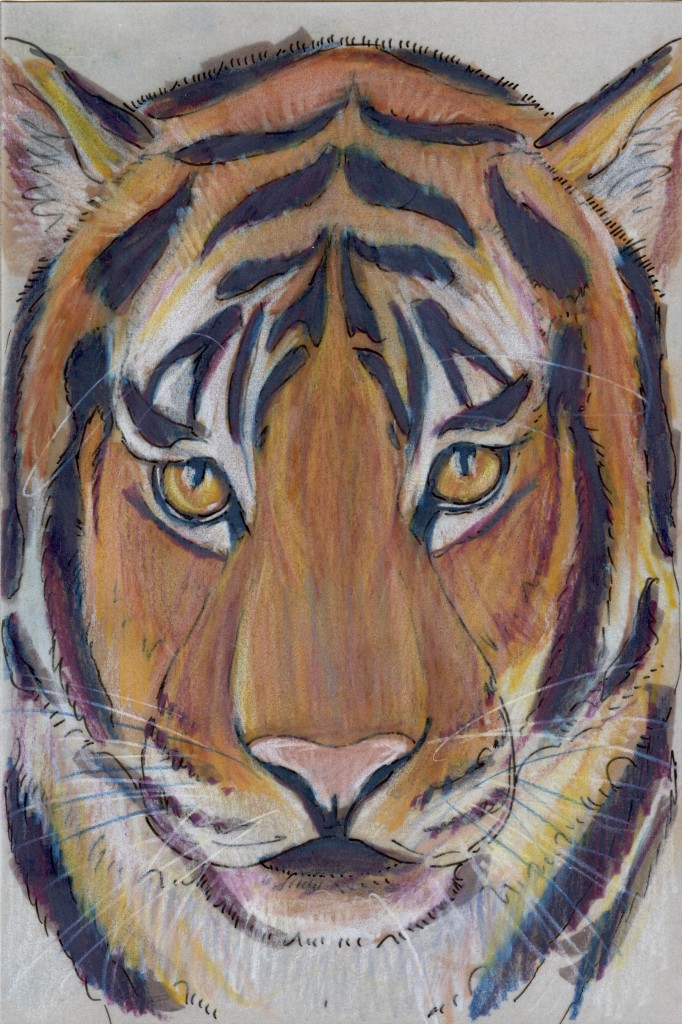
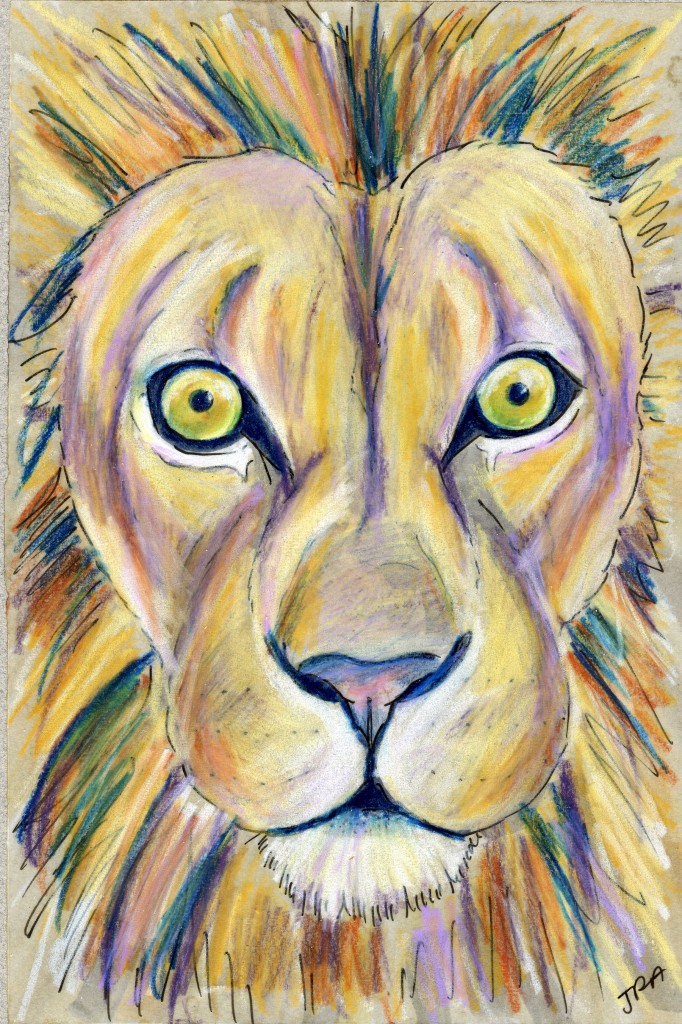
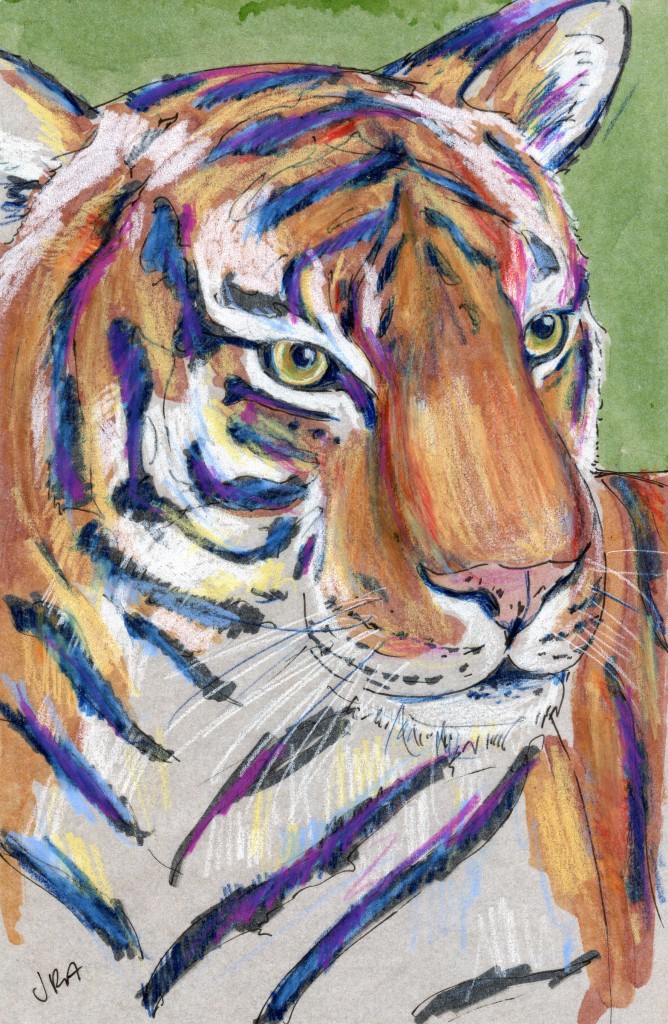
Tiger (click image to enlarge)

Before we leave Primorye at the end of our weekish-long visit, we must pay tribute to the tiger, the animal that inspired the book that inspired this week’s theme. Early in The Tiger, John Vaillant says,

“If Russia is what we think it is, then tigers should not be possible there. After all, how could a creature so closely associated with stealth and grace and heat survive in a country so heavy-handed, damaged, and cold? The nearest jungle is two thousand miles away. For these and other reasons, neither Russia the Idea nor Russia the Place are useful ways of describing the home of the Siberian tiger, which is, itself, a misnomer. This subspecies is known locally—and formally—as the Amur tiger, and it lives, in fact, beyond Siberia.”

A few pages later, he gives us a very vivid description of this most powerful of beasts:

“Of the six surviving subspecies of tiger, the Amur is the only one habituated to arctic conditions. In addition to having a larger skull than other subspecies, it carries more fat and a heavier coat, and these give it a rugged, primitive burliness that is missing from its sleeker tropical cousins…To properly appreciate such an animal, it is most instructive to start at the beginning: picture the grotesquely muscled head of a pit bull and then imagine how it might look if the pit bull weighed a quarter of a ton. Add to this fangs the length of a finger backed up by rows of slicing teeth capable of cutting through the heaviest bone. Consider then the claws: a hybrid of meat hook and stiletto that can attain four inches along the outer curve, a length comparable to the talons on a velociraptor. Now, imagine the vehicle for all of this: nine feet or more from nose to tail, and three and a half feet high at the shoulder. Finally, emblazon this beast with a primordial calligraphy: black brushstrokes on a field of russet and cream, and wonder at our strange fortune to coexist with such a creature.”

I love that “primordial calligraphy” and of course that last idea, that we are fortunate to coexist with tigers. As I’ve said before, one thing that this Daily Mammal project has given me is a huge sense of awe and wonder at the beauty and variety of life here on this planet, and for the miracle of evolution. I am indeed grateful to live in the same world as the tiger, even if, as Vaillant says in his book, “it alone can mete out death at will.”

{ 3 comments }

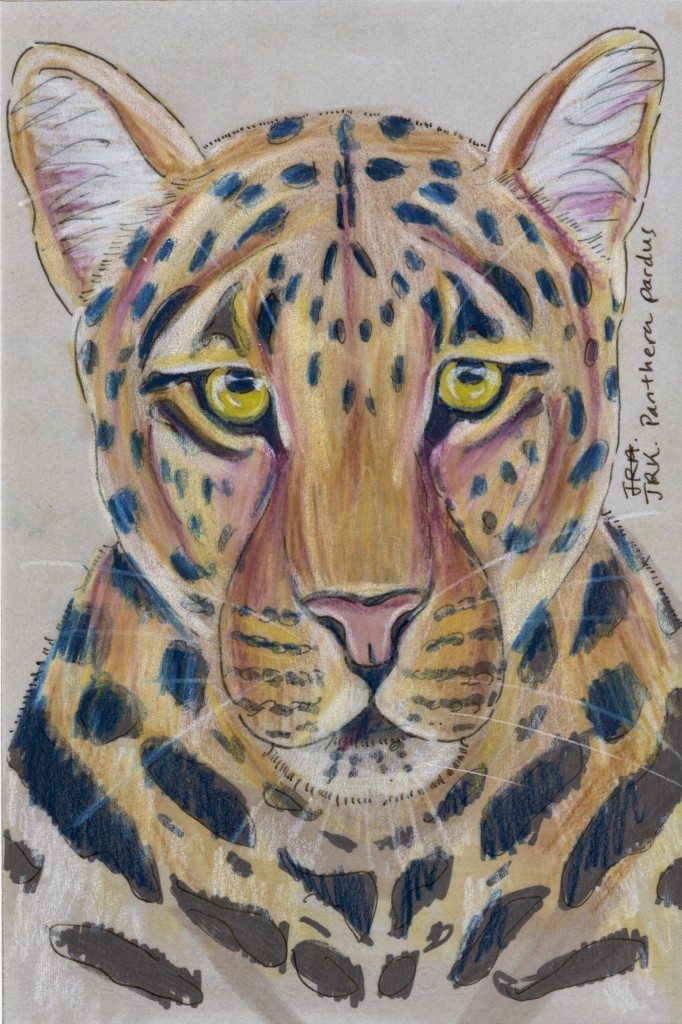
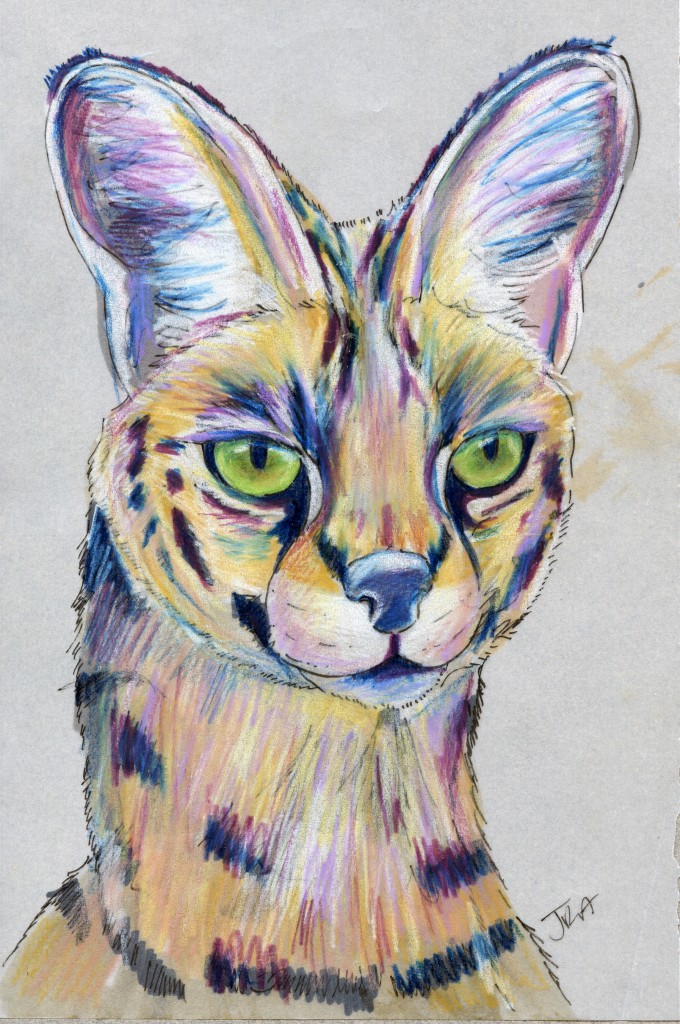
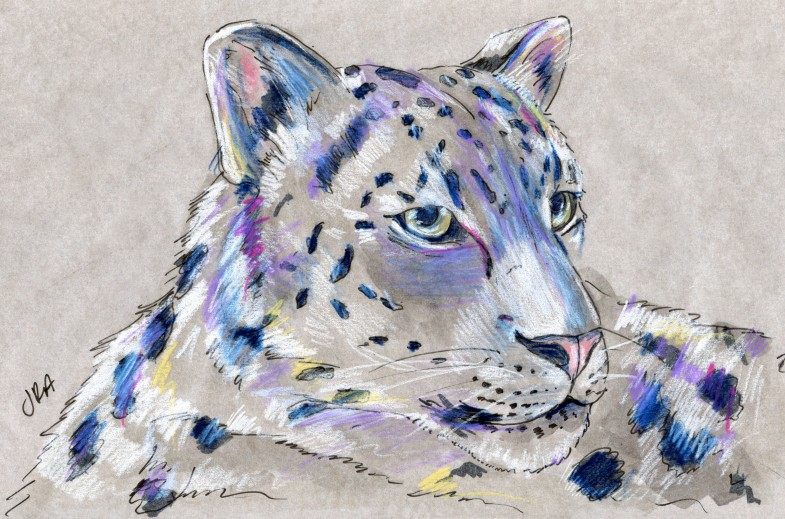
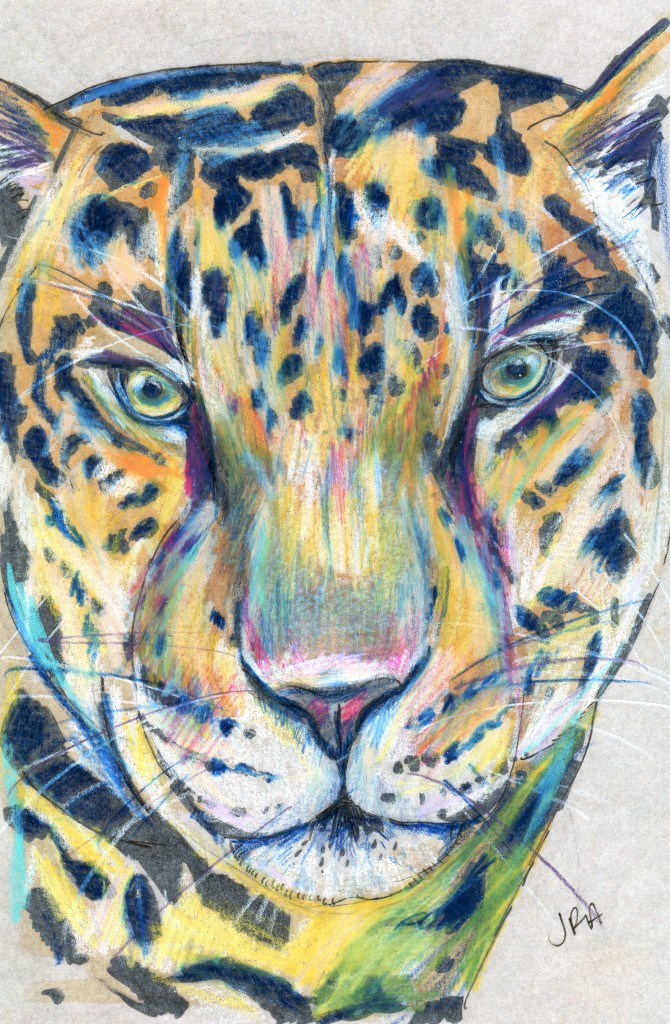
Leopard (click image to enlarge)


0394

Today, we visit the smallest of the big cats at home in Primorye, a fascinatingly diverse region of far eastern Russia that you can read a bit more about in last Monday’s post on the musk deer. In that post, I quoted John Valliant’s The Tiger in saying that only in Primorye, and nowhere else in the world, “can a wolverine, brown bear, or moose drink from the same river as a leopard.” I have no reason to doubt that, but leopards are pretty adaptable. The IUCN says that “the leopard has the widest habitat tolerance of any Old World felid, ranging from rainforest to desert,” and in that range is the “boreal jungle” of Primorye, as well regions ranging from Afghanistan to Zimbabwe.

Leopards are also quite adaptable in terms of what food they’ll eat, not disdaining to eat a beetle, a baboon, or a wildebeest. Walker’s Mammals of the World informs us that when leopards hunt, “larger animals are seized by the throat and killed by strangulation. Smaller prey may be dispatched by a bite to the back of the neck.” Leopards are so strong and so good at climbing trees that they will store carcasses bigger than themselves in trees to eat later.

If you’re wondering about leopards and panthers and whether they’re the same animal, let Ivan T. Sanderson, my favorite mustachioed, swashbuckling naturalist, set you straight with this passage from Living Mammals of the World:

“Before anything else is said about leopards, it is essential to dispose of the age-old argument about the names ‘panther’ and ‘leopard.’ Fairly important men have been challenged to duels for either affirming or denying that there is a difference—i.e., that there are two different animals. There are not: the two names denote the same animal or animals—for they vary greatly—though they may be used to differentiate between large and small, or between light and dark individuals in any one area. All the Great Cats that can roar are now officially panthers, as their technical name implies.”

I wonder if there’s any point in trying to find out just who was involved in those duels.

{ 3 comments }

All week, my daughter Coco and I are selling our drawings of Japanese mammals to raise funds for Japan! If you buy one of them, whether matted or unmatted, your entire purchase price will go to help those affected by the earthquake and tsunami: half to the American Red Cross, half to Animal Refuge Kansai, a Japanese animal shelter taking in homeless pets. Please help, and please send your friends by, too!

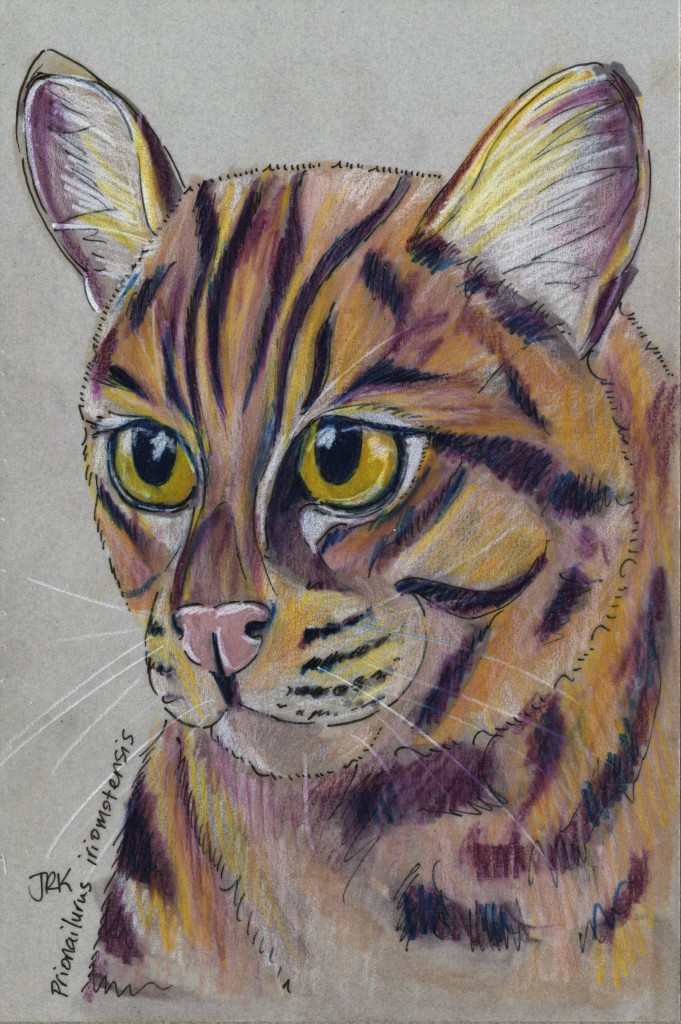
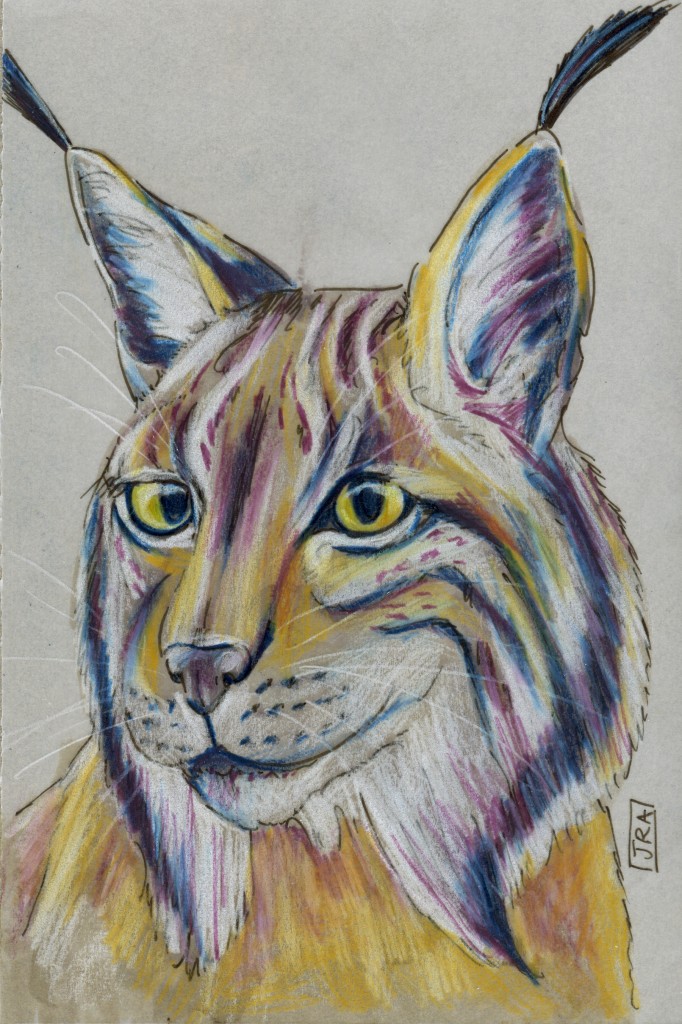
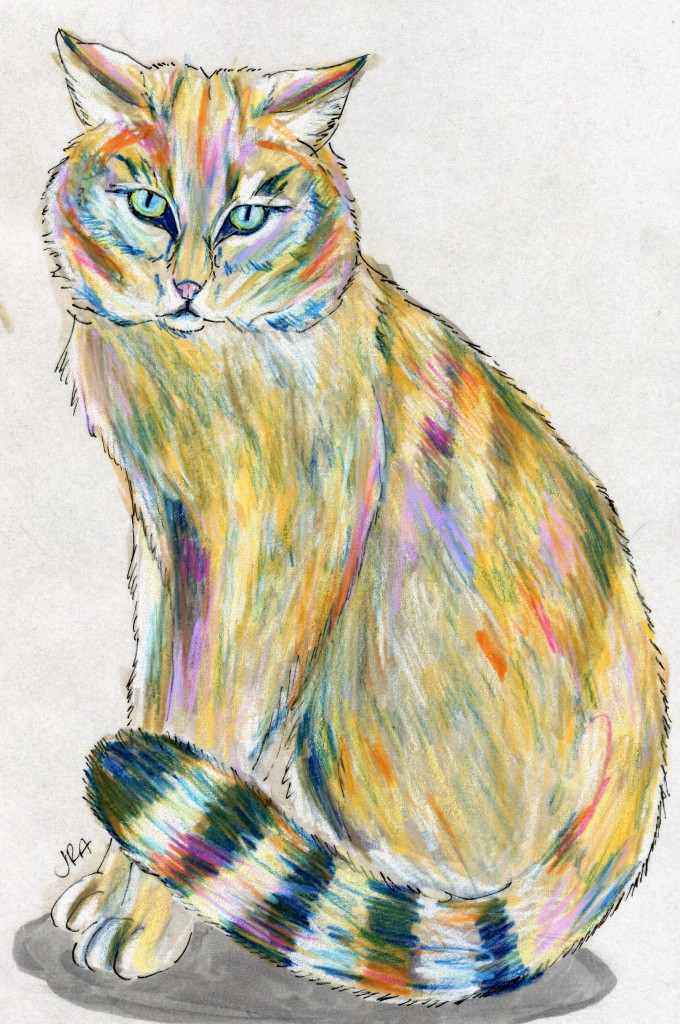
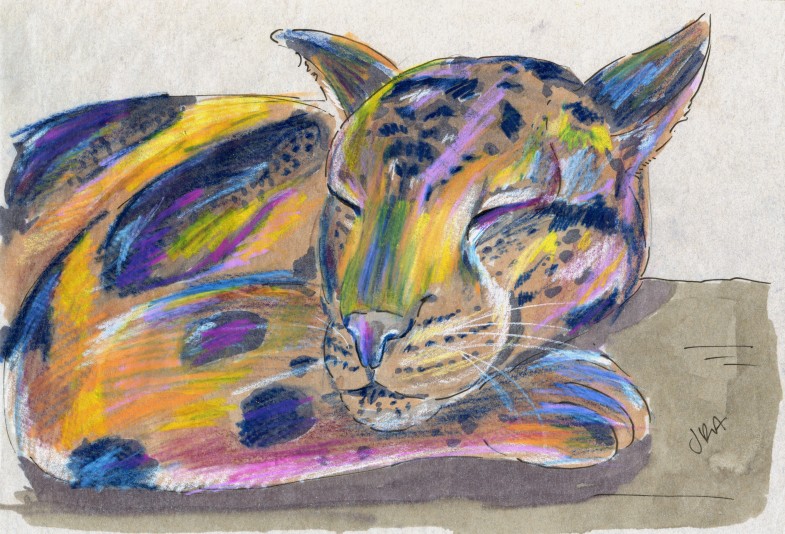
Iriomote cat (click image to enlarge)


0373

This drawing has sold!

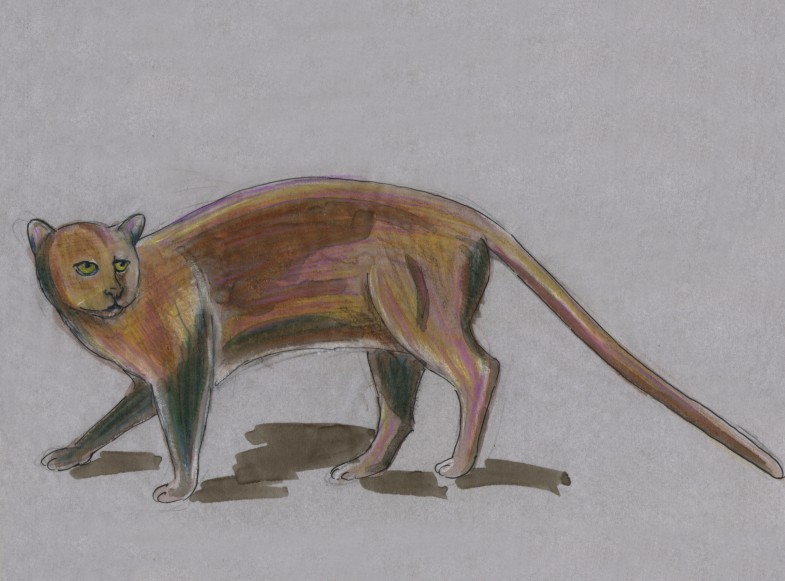
This cat may be the rarest feline species on the planet. There are only about 100 individual Iriomote cats living, and they’re found only on the Japanese island of Iriomote, which is just east of Taiwan. It’s an island that’s made up almost completely of impenetrable forest and home to some 2,000 people. Unfortunately for the Iriomote cat, the people like the same part of the island it does, and their highway goes right through the cat’s habitat. Despite efforts to protect the rare cat from harm, about four cats a year become roadkill. They’re also threatened by their habit of interbreeding with feral domestic cats, instead of mating only with each other.

Iriomote cats are quite elusive. They’re solitary and mostly nocturnal, and some researchers who dedicate their lives to studying them still go years without seeing one. According to this great article from The New York Times, some residents of Iriomote don’t even believe the wild cat exists.

Iriomote cat by Coco, age 12 (click image to enlarge)

Coco’s drawing has sold!

I said that this cat may be the world’s rarest feline because it’s been part of a taxonomic controversy almost since it was first described in the 1960s. Back then, scientists theorized that it was a “living fossil” species, the only existing member of an extinct group of cats. Then, other scientists decided it was actually a subspecies of the leopard cat, which is pretty common on the Asian mainland. Then it was back to being its own species, but in the same genus as the leopard cat, not in its own “living fossil” genus like before.

None of that ever got settled for sure, and now it looks like some people are leaning back toward the leopard-cat-subspecies idea. It seems that the International Union for Conservation of Nature and Natural Resources considered it its own species until just a few years ago, but now the IUCN lists it under the leopard cat species, even though none of my other sources do.

This is important because the IUCN’s Red List is widely accepted and used as a definitive list of endangered species worldwide. Perhaps if I do a little digging in the records of the IUCN’s cat study group, I can find some of their reasons, and I may do that when I have the time. It’s good to remember that the designation of endangered species is dependent on many actors other than just counting how many cats there are that look alike.

If you’d like to help Japan without buying a drawing, click the Donate button below and we’ll add your contribution to our people-and-animals fund. And we still have two monkeys and one squirrel available for sale. See you tomorrow!


{ 3 comments }

Oncilla (Leopardus tigrinus)

by JR Kinyak on March 9, 2011

in Carnivores

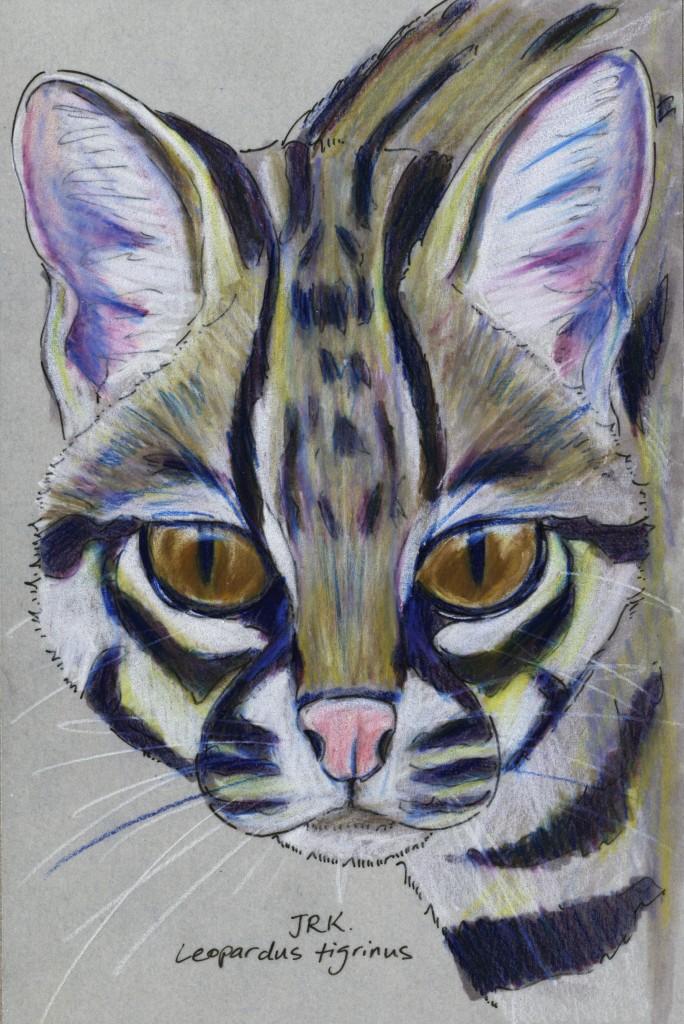
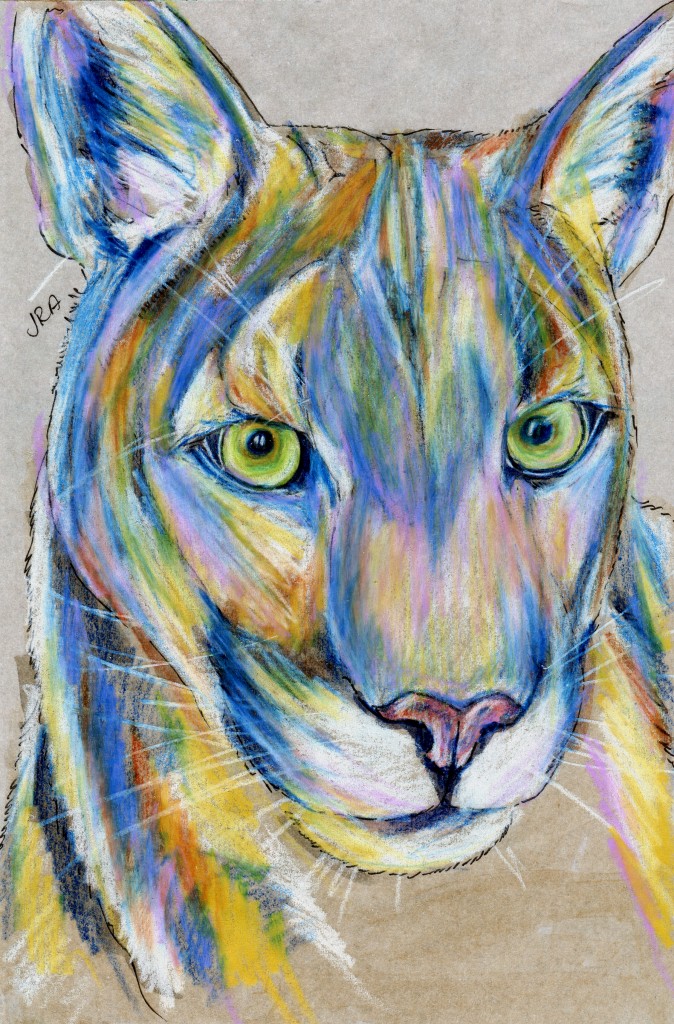
Oncilla (click image to enlarge)


0359

Today marks two straight weeks of mammals! How do you like them apples? Also, if you look to the right at today’s mammal’s number, you will see that sometime next week, if we continue on this track, we will complete a year’s worth of “daily” mammals! And it will have taken us less than four years…

Moving right along, my mom requested an oncilla. My three-year-old niece, Rae, has a subscription to National Geographic Little Kids, and with the magazine, you get little punch-out animal trading cards. One of the recent ones pictured the oncilla, which is also known as the little spotted cat, and it is a little spotted cat indeed. In fact, it’s one of the smallest wild cats in the world: it’s only as big as a small housecat, weighing in at about 5 pounds on average. Little ol’ thing!

Oncillas live in Central and South America, ranging in a rather patchy way from Costa Rica down to southern Brazil and eastern Argentina. They especially like forests, including two prettily named kinds of forests, elfin forests and cloud forests. Elfin forests are, apparently, forests where the trees are stunted, perhaps because of wind, dryness, mist, or other climate conditions, and cloud forests are forests covered in fog. The cats are nocturnal and solitary, and we don’t know a whole lot about them.

{ 8 comments }

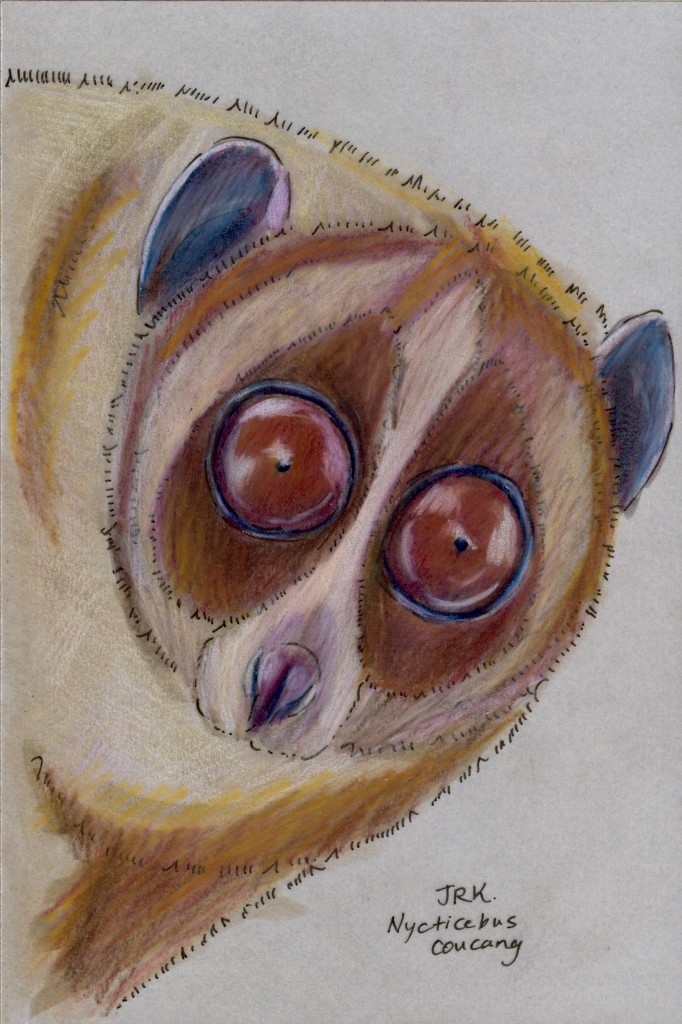
Greater Slow Loris (Nycticebus coucang)

by JR Kinyak on March 7, 2011

in Primates

Greater slow loris (click image to enlarge)


0357

Now, this is an interesting little primate. The greater slow loris (there are a few other kinds of lorises, as well) lives in Indonesia, Malaysia, Singapore, and Thailand. It’s nocturnal and its eyes don’t move—it has to turn its head to look around. It’s very solitary, crawling around in the trees, eating sap and fruit and snails and eggs.

Inside each of the slow loris’s elbows, you’ll find a gland that produces a toxin. While there’s still a lot to learn about this substance, some scientists say that the loris will take this toxin into its mouth when it’s threatened, in preparation for biting the threat, and that it also spreads the toxin around its head and neck for protection. Mother slow lorises coat their babies with the stuff, perhaps as a defense. Other scientists seem to think that the toxin is used for olfactory communication rather than defense. The substance is a protein similar to the one in feline saliva and sebum that causes cat allergies, which raises an interesting question about the purpose of that protein in cats. No one knows what exactly it’s for, but it’s possible that it’s a defense, too, and that cats aren’t just grooming when they lick themselves, but spreading a toxin around. Humans who are bitten by slow lorises experience anaphylactic shock, an allergic reaction.

In researching the slow loris, I learned about something called an ethogram. In biology, an ethogram is a catalog or inventory of an animal’s behavior, described in some detail and sorted into categories. I found a loris conservation database that includes an online husbandry manual. In the husbandry manual is this slow loris ethogram. Ethograms don’t have to include illustrations, but this one includes some really nice ones. I wish I’d found it before I did the drawing, and I wish I had ethograms like this one for all the species I draw.

Coco also drew a slow loris. I love her drawing so much. I adore it. It’s beautiful.

Slow loris by Coco, age 12

{ 6 comments }

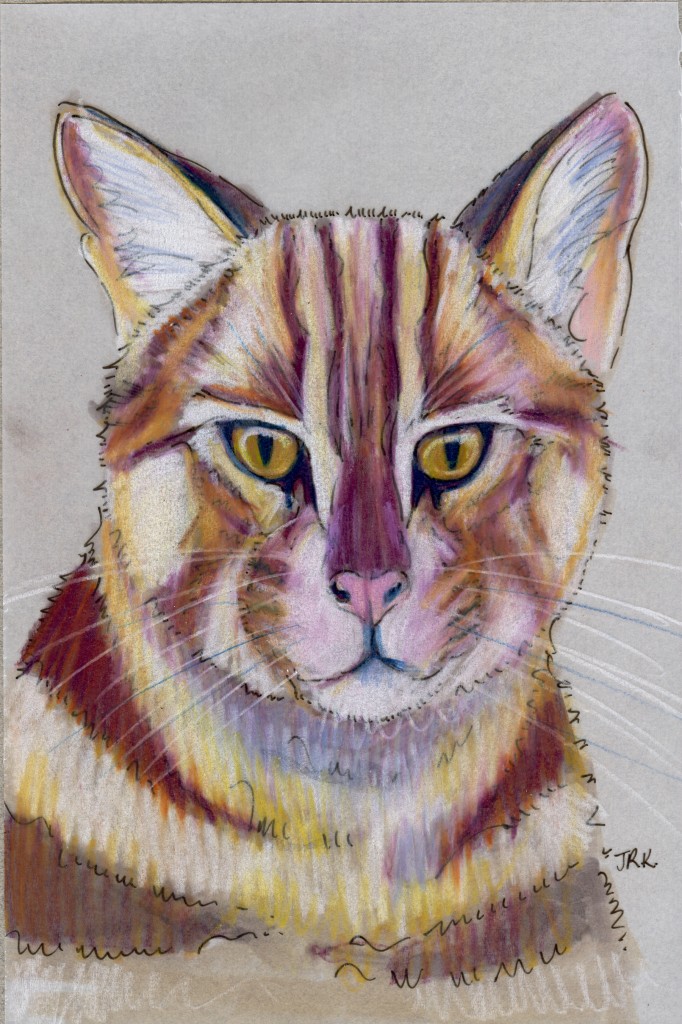
Leopard cat (click image to enlarge)


0316

Having dispensed with the countries of Group A, let’s start looking at the World Cup’s Group B with South Korea and its leopard cat. The leopard cat is a small wild cat—generally not much bigger than a housecat—that’s widespread throughout Asia. The subspecies in Korea, Prionailurus bengalensis euptailurus, is one of the bigger subspecies, and actually looks pretty different from most of the other varieties. Some people think it should be its own species, but alas, it’s not, at least not today, at least not in general. I had some trouble locating many pictures of it until I found its Korean name—삵—but then I found several pictures of the cat as roadkill, which I guess tells us something. Also, people like to keep the leopard cat as a pet or cross it with the domestic cat to create a hybrid called the Bengal cat.

South Korea’s soccer team is a pretty powerful, successful one, especially compared to other Asian teams. It plays Argentina today (which is why I’m posting this at midnight—the game is on at 5:30 am my time, and I want to have some semblance of timeliness). Both teams won their first game, South Korea defeating Greece and Argentina beating Nigeria, so a win from either team today could tip the scales fairly heavily when it comes to finding out who advances to the next round. (Perhaps one could clinch it. I don’t want to figure out the probabilities right now.) Argentina is favored, but not extremely so.

South Korea’s coach, Huh Jung-moo, and Argentina’s, Diego Maradona, go way back. Here’s a picture of them when both were up-and-coming stars and they met at the 1986 World Cup.

South Korea's Huh Jung-moo and Argentina's Diego Maradona


Coco drew a family of leopard cats! Left to right, they’re Coco, Theo, Ted, and me. Coco is playing with yarn and Theo has his eye on a passing rat!

Leopard cats by Coco, age 11

{ 5 comments }

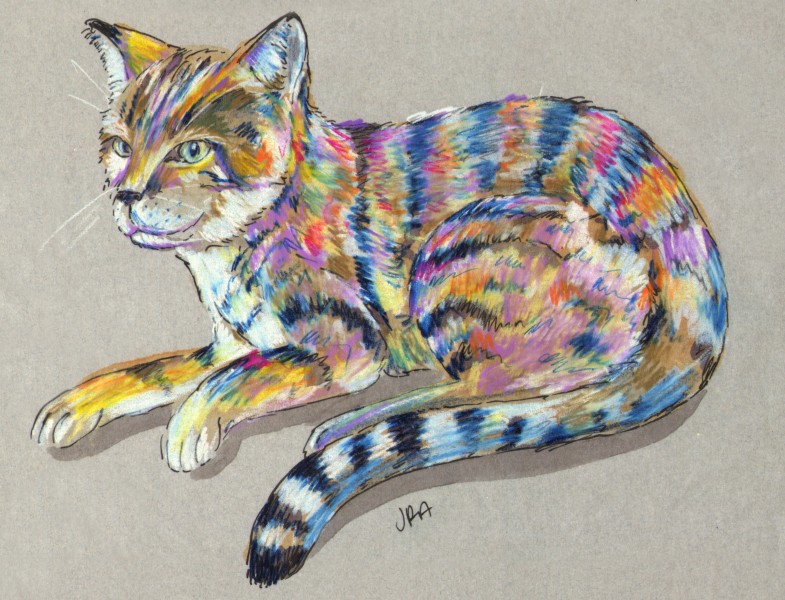
Colocolo (Leopardus colocolo)

by JR Kinyak on June 9, 2010

in Carnivores

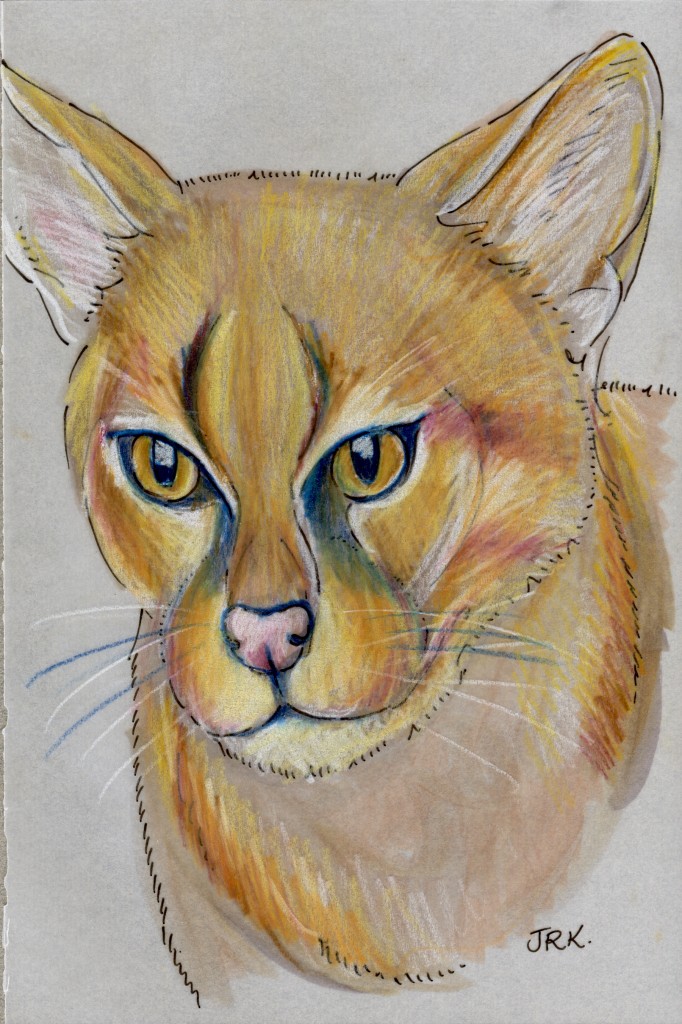
Colocolo (click image to enlarge)

0308

There are far more cat species than I realized. My Princeton Encyclopedia of Mammals lists 29 small cats, plus seven big cats. The domestic cat is a subspecies of one of the wildcat, Felis silvestris. Or it might be its own species, F. catus. The neat thing about taxonomy is that it has room for differing opinions, and it’s always changing. Today’s colocolo, also known as the pampas cat, is another example. Some scientists are thinking that it’s actually two or three species—Leopardus colocolo, L. braccatus, and L. pajeros—which would bring the Princeton Encyclopedia of Mammals’ list up to 31 small cats. But others argue that they should remain subspecies. If you consider the three species to be one, the colocolo lives in the grasslands of South America; if you think L. colocolo is separate from the other two species, this one lives in the Chilean cloud forests and  where it eats rodents, birds, lizards, and insects.

{ 0 comments }